大和 Tradition
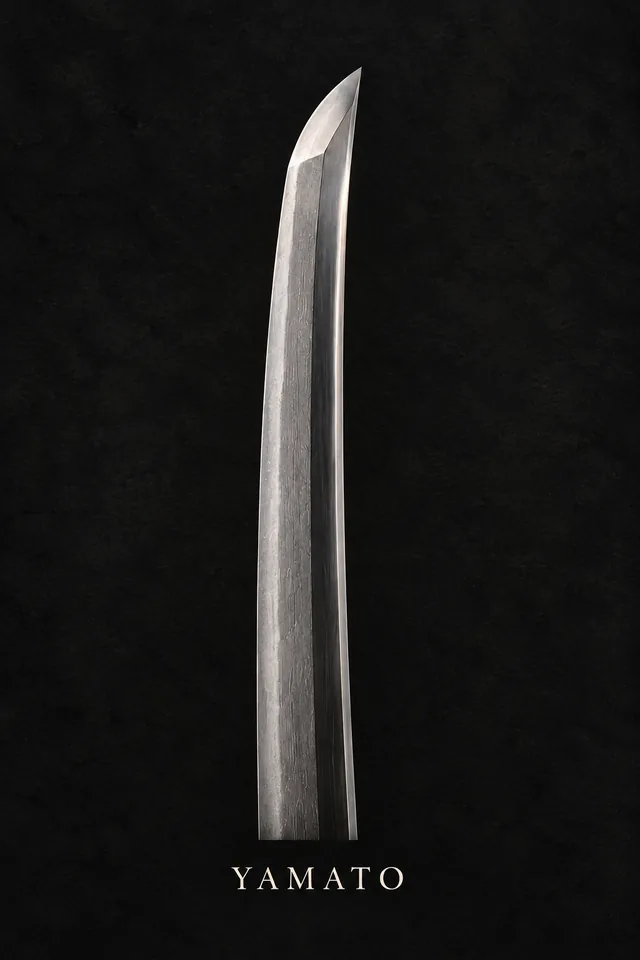
Yamato Province (modern Nara Prefecture) is the oldest sword-making region in Japan and the one most closely tied to religious institutions. The five schools of the Yamato tradition (Tegai, Senju’in, Hoshō, Shikkake, and Taima) each emerged from or worked under the patronage of major Buddhist temples and Shinto shrines, and the swords they produced reflect that origin: straight, austere, spiritually serious blades that put structural integrity and quiet formality ahead of display. For the collector, Yamato work is among the hardest to kantei correctly and among the most rewarding once it is.
History and lineage
The Senju’in school, considered the earliest, is traditionally associated with smiths working under Tōdaiji and Kōfukuji temples in the Heian period, though surviving attributable work dates from the Kamakura period. Tegai — centred on Tōdaiji’s Tegai Gate — produced the most numerous surviving examples, with the smith Kanenaga among the most frequently cited names. Taima is associated with Taimadera temple; Hoshō with Hōryūji’s sphere of influence; Shikkake with Hōryūji and nearby institutions. The five schools are linked by geography and religious affiliation more than by direct technical lineage — they represent parallel traditions within the same province rather than a single evolutionary line. Production in most schools tapers significantly by the Muromachi period, with Yamato smiths increasingly emigrating to Mino and elsewhere, where the Yamato technical vocabulary contributed to the Sue-Kotō workshops that would become the Mino school.
Identifying characteristics
Yamato hada is characteristically masame — a straight, parallel grain running along the blade’s length — or a masame-inflected itame. This masame tendency is the school’s most reliable single identifier; it appears across all five traditions and distinguishes Yamato from the mokume and ko-itame of Yamashiro and Bizen work. The hamon is typically suguha (straight) or ko-midare with nie, often with fine tobiyaki (isolated temper patches above the hamon line) and a relatively narrow nioi-guchi — active but contained. Nie-based activities such as kinsuji and sunagashi appear regularly. The sugata in Kamakura-period Yamato tachi shows a high shinogi, a strong, angular sense of construction — these blades look built rather than formed. Boshi tends to be midare-komi or a pointed form. One useful diagnostic: the combination of masame hada with a suguha or ko-midare hamon and tobiyaki, in a well-constructed tachi sugata, should immediately suggest Yamato province.
Why this matters for collectors
Yamato work is relatively rare in active collector circulation, particularly from the Tegai and Senju’in schools. Attribution is considered difficult even by experienced kantei practitioners, because the masame hada, distinctive though it is, needs clean polish to read clearly, and many surviving Yamato pieces are in compromised condition. Signed examples are uncommon; saya-label attributions and NBTHK kantei carry the burden of identification for most pieces. Unsigned Yamato attributions from non-specialist sources deserve careful scepticism.
If you’re hunting for a Yamato piece, we welcome enquiries. Many of the best examples never appear on public listings.
Related guides: Kantei: attributing a Japanese sword · Periodisation of the Japanese sword
