記録Archive
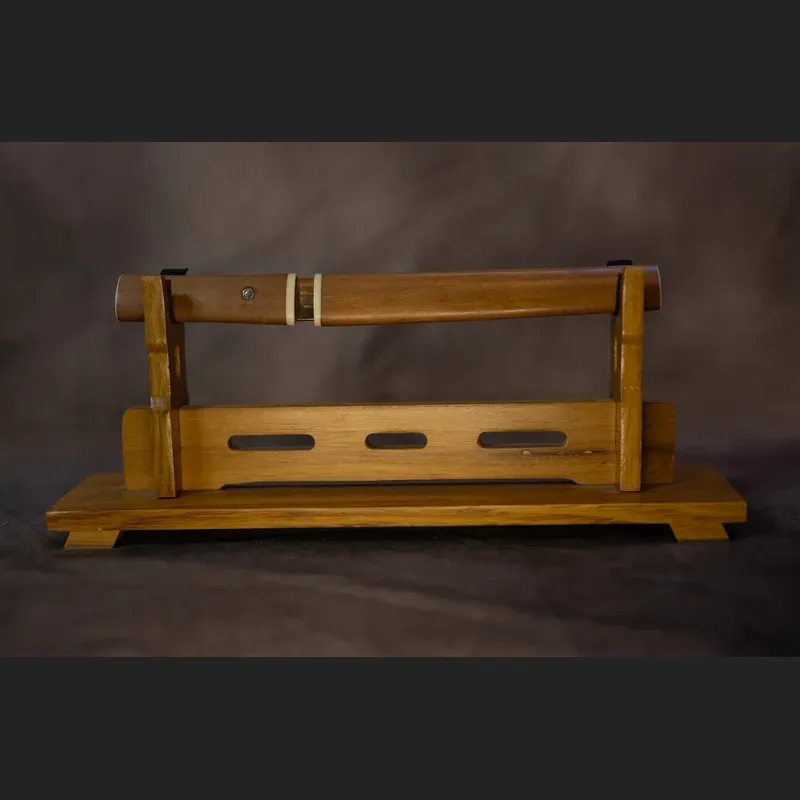
JB-1023 Sold · Tanto
Aikuchi Tantō in Plain Wood Mounts
A plain-mounted aikuchi-style tantō, unsigned and unexamined in the tang, with a tired polish — a straightforward entry-level piece.
記録Archive
A plain-mounted aikuchi-style tantō, unsigned and unexamined in the tang, with a tired polish — a straightforward entry-level piece.
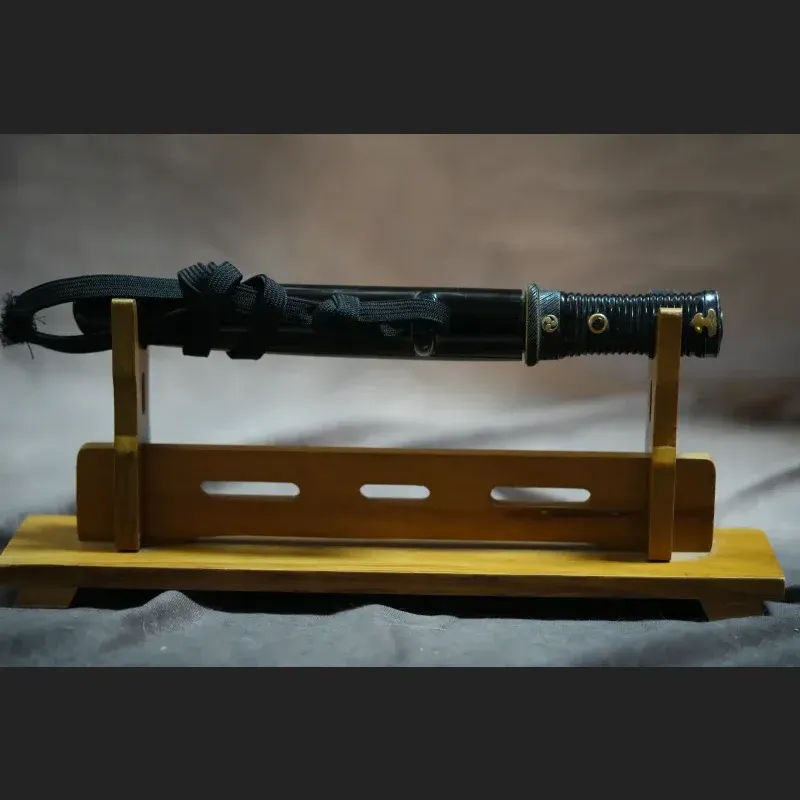
A modest Shōwa-era tantō in a black-lacquer aikuchi mounting with brass mitsudomoe fittings — mounted, tang unexamined, offered unsigned.
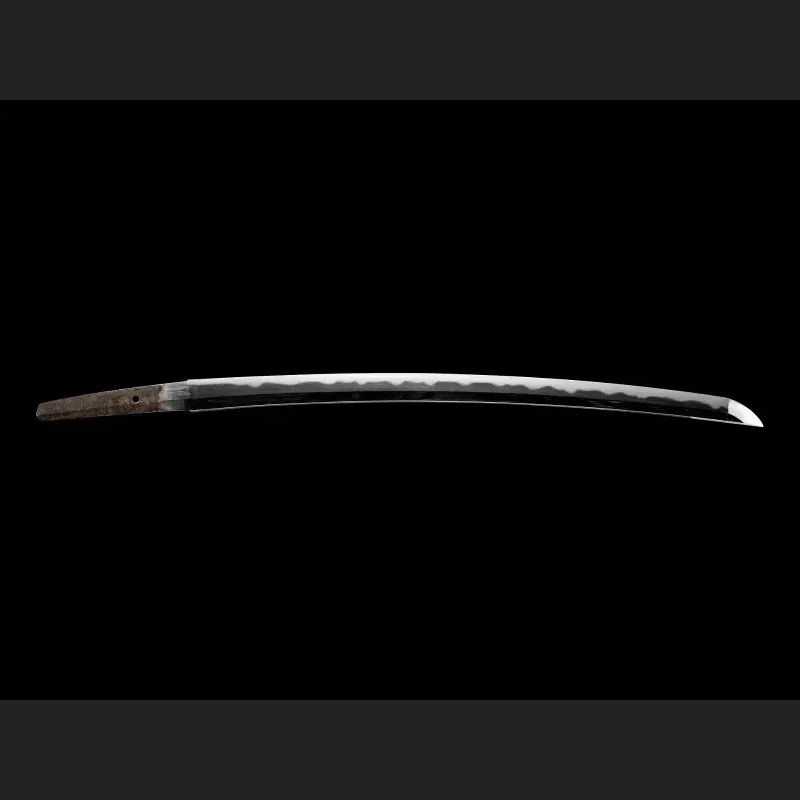
Unsigned katana of the Shinto period, attributed by form and construction to the mid-17th century — a generation defined by the consolidation of Edo-era smithing traditions.
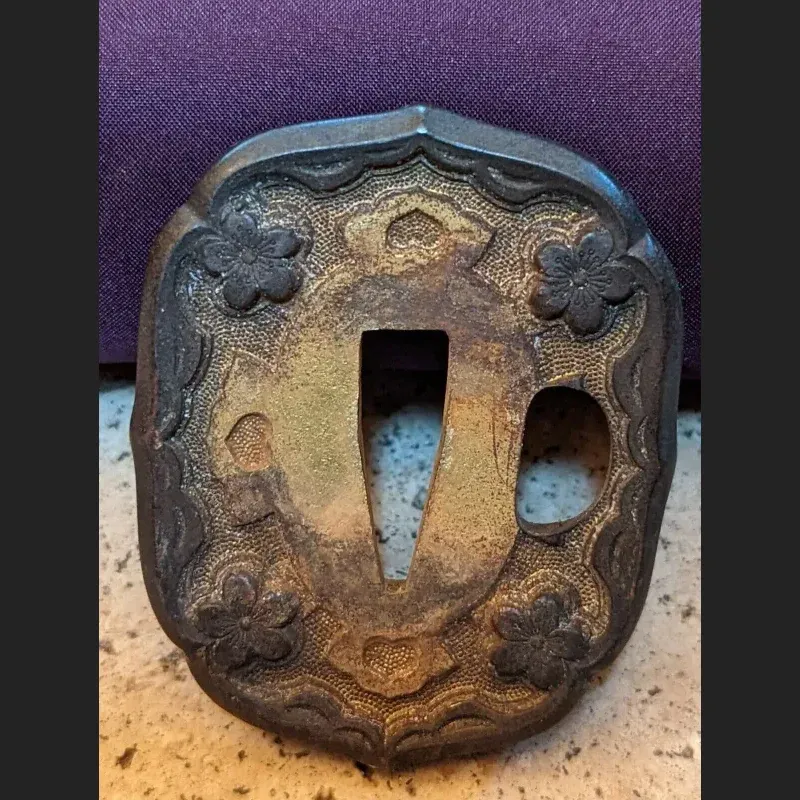
Military-issue shin-guntō tsuba, Type 94/98 pattern, from Imperial Japanese Army service in the Second World War.
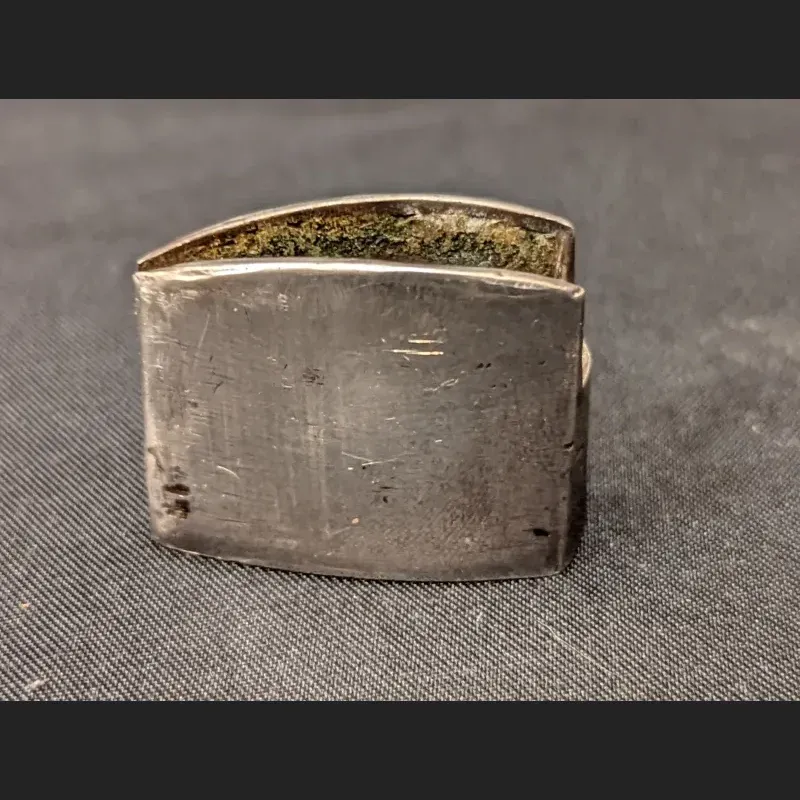
Silver habaki of the Kotō period, the blade collar that locks the sword within its saya and anchors the fittings.
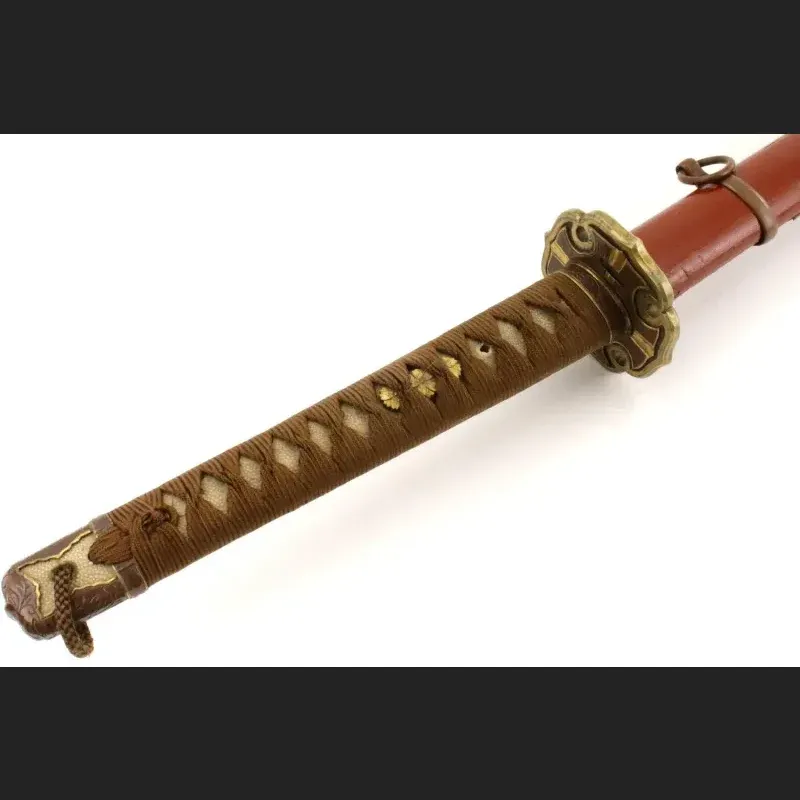
Tachi signed Suishinshi Masahide — the late-Edo smith who led the Shinshintō revival movement and championed a return to Kotō-period forging traditions.
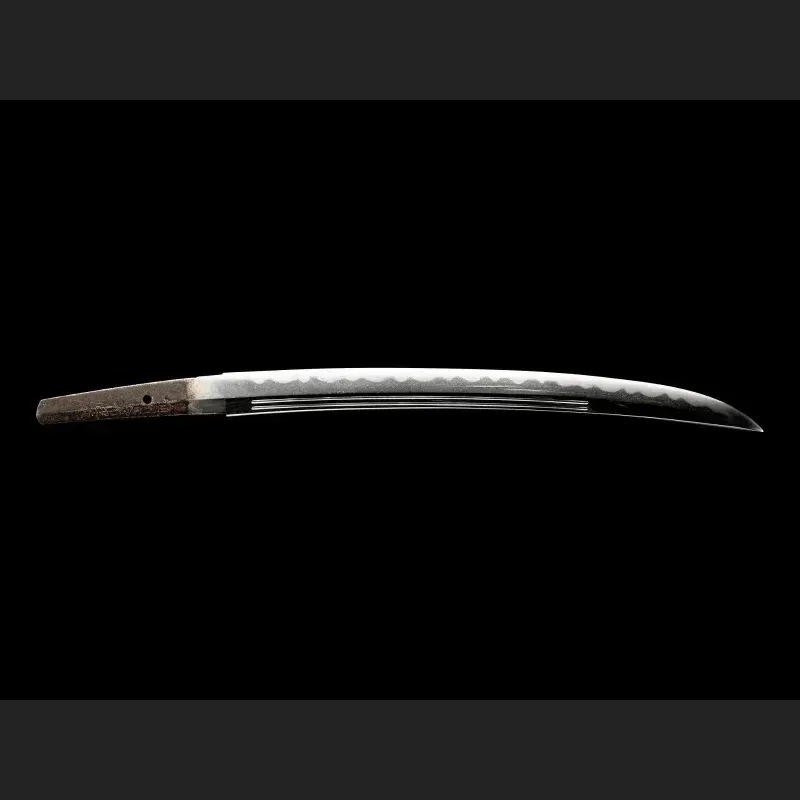
Katana signed Bishu Osafune Tadamitsu, a Bizen school smith of the late Muromachi period, active around 1500.
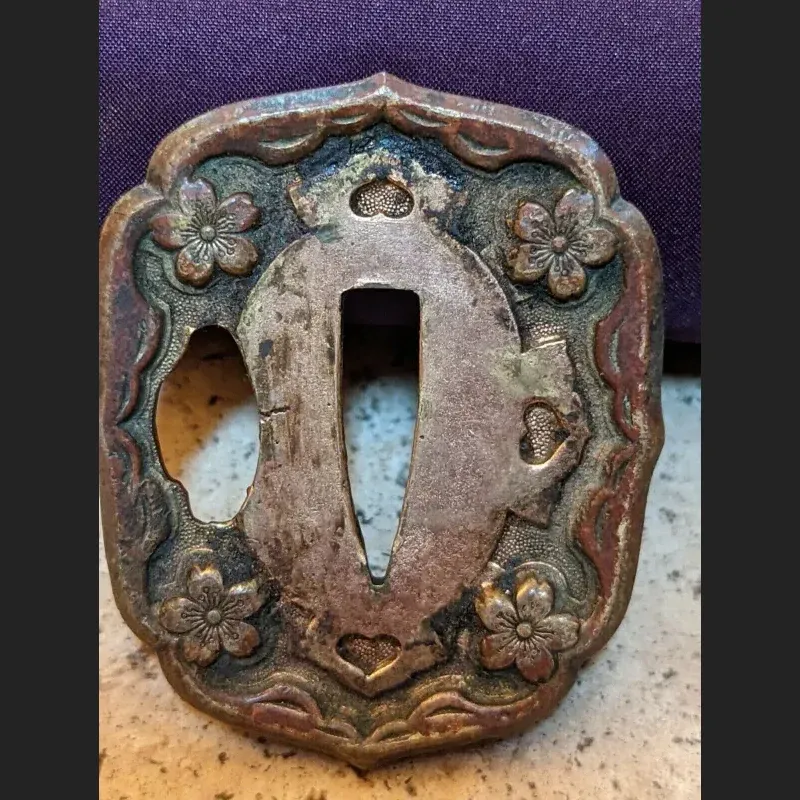
Iron tsuba made for military guntō mounting, retaining the characteristic retainer-strap hole of Imperial Japanese Army sword fittings.
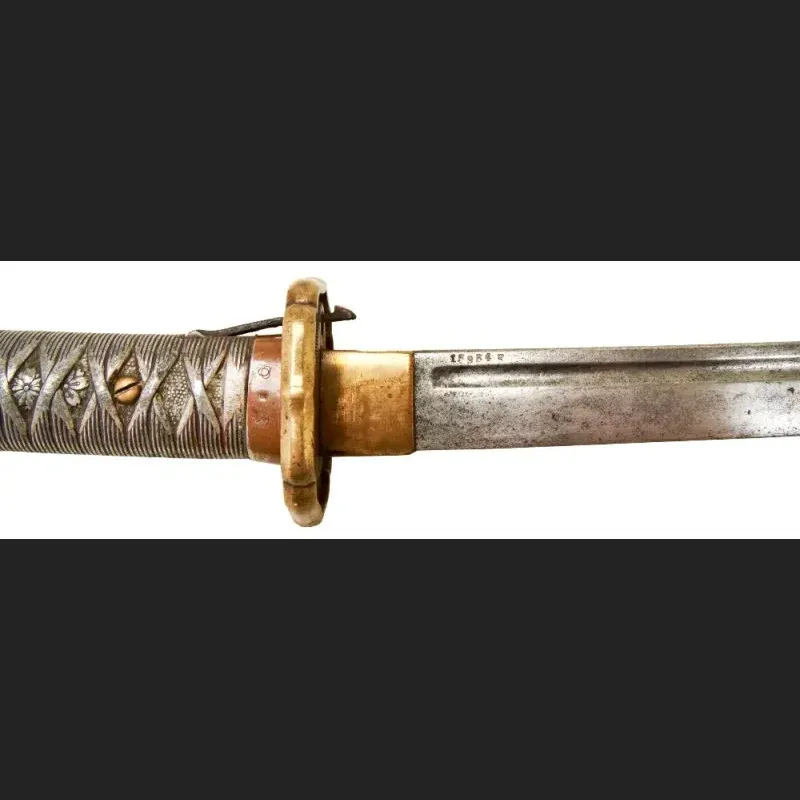
Type 95 NCO sword in good condition, retaining its original sword knot — the standard sidearm for Imperial Japanese Army non-commissioned officers, 1935–1945.
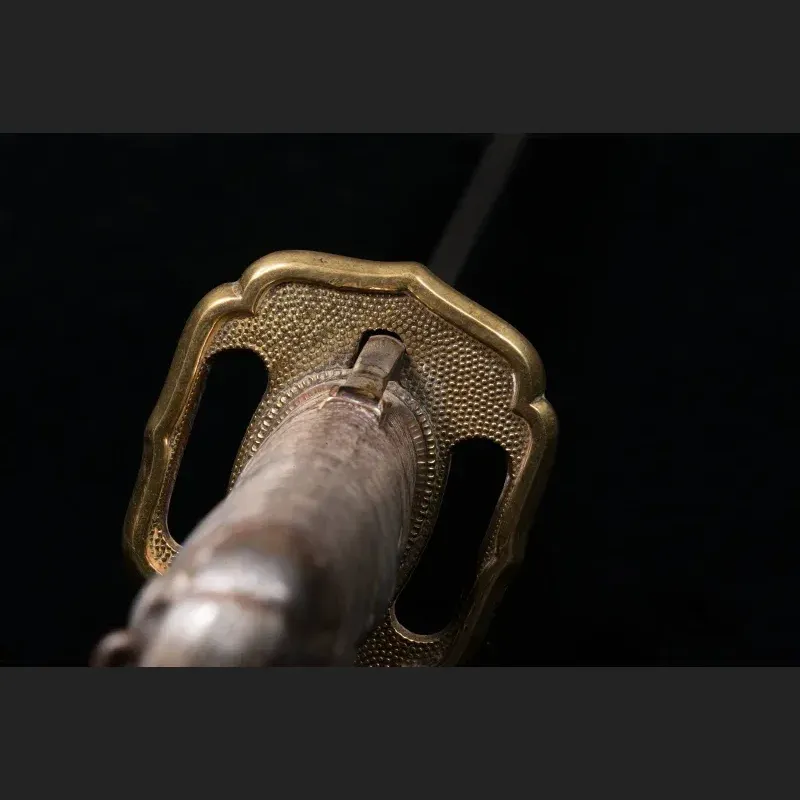
Type 95 NCO sword in good condition, complete with its original sword knot — the standard-issue sidearm for Imperial Japanese Army NCOs, 1935–1945.
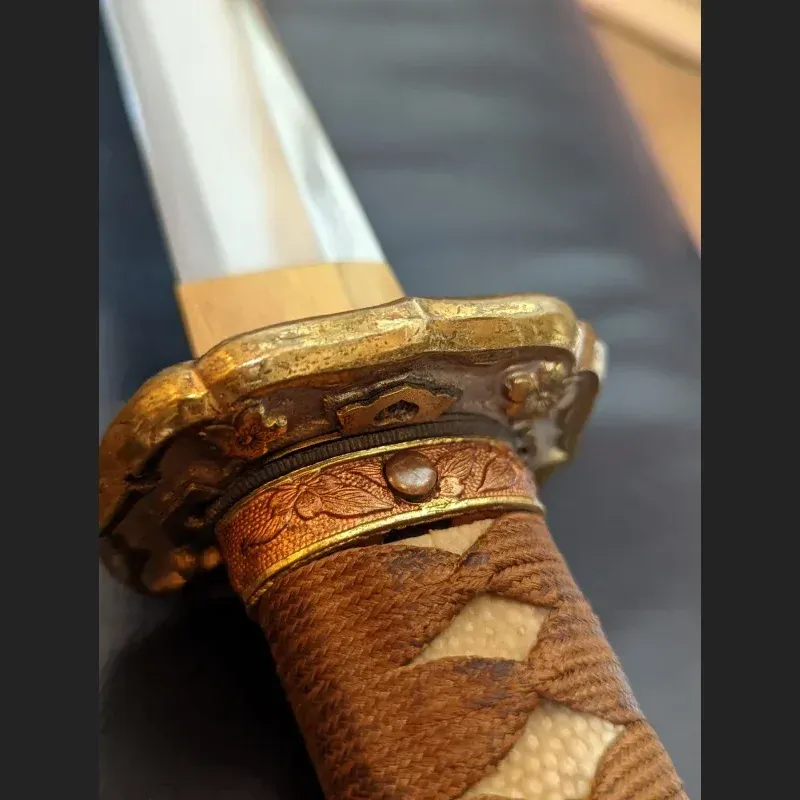
1943 gendaitō signed Yoshiharu with army star stamp — a traditionally-forged RJT blade in mint guntō mounts.
