出品Shop
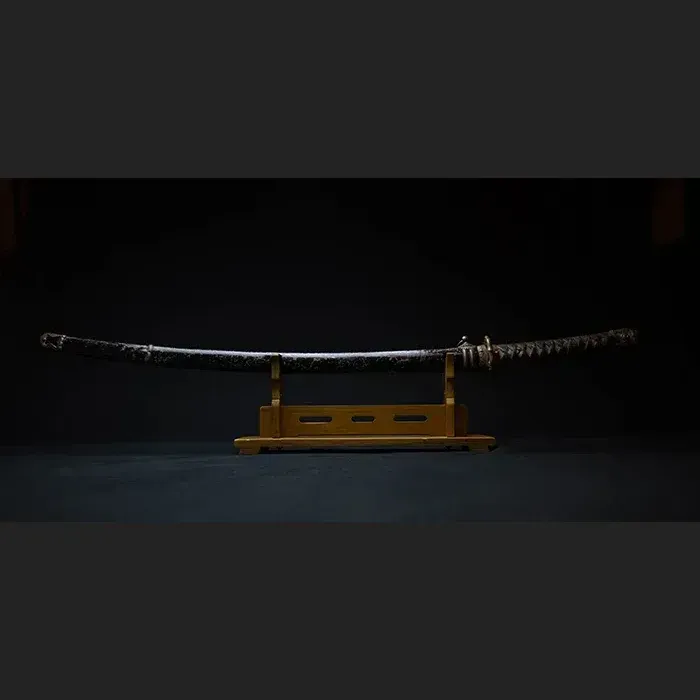
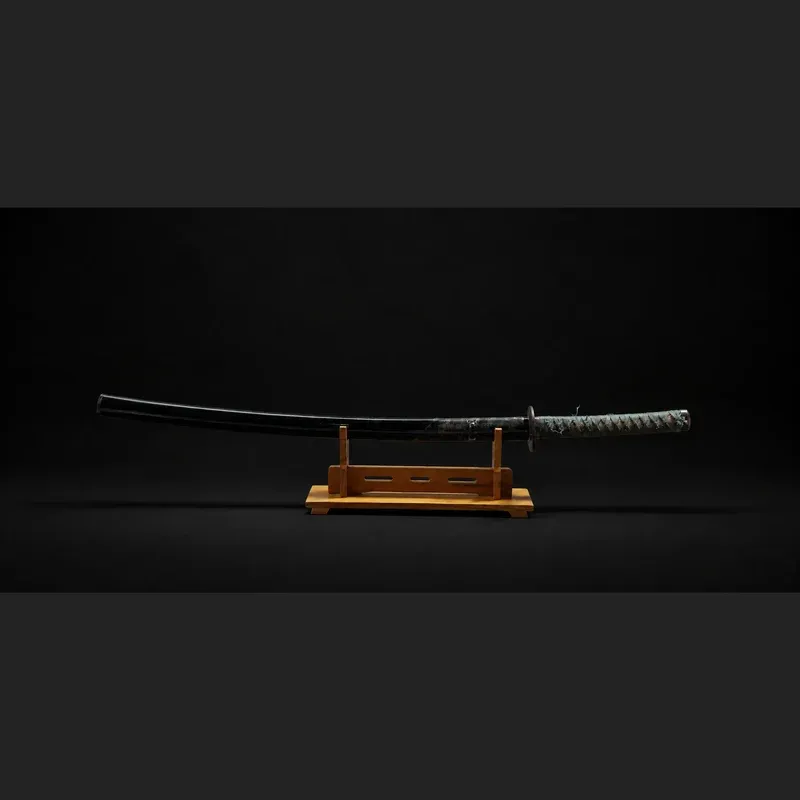
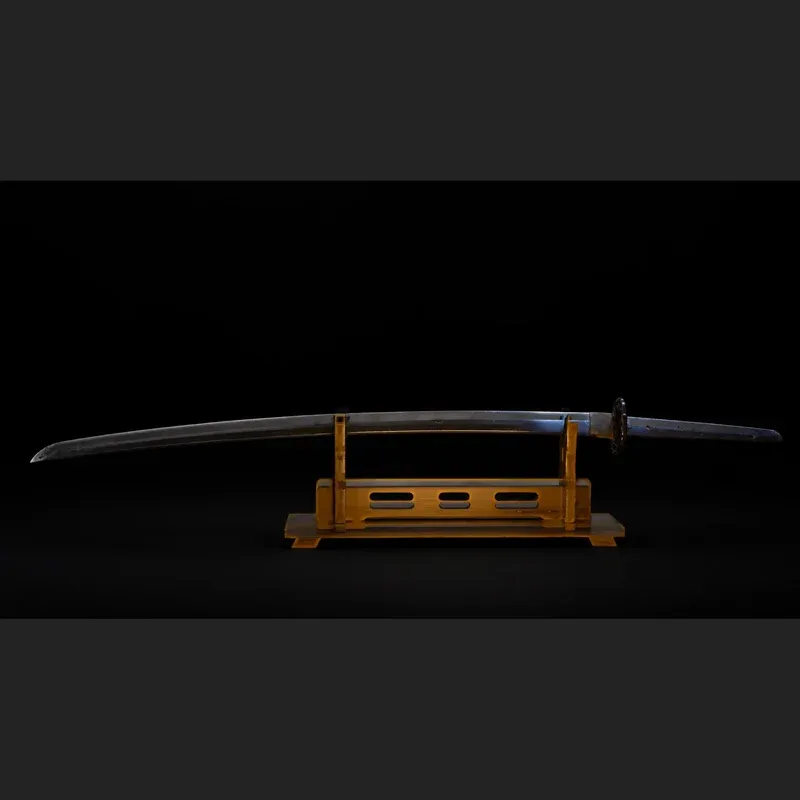
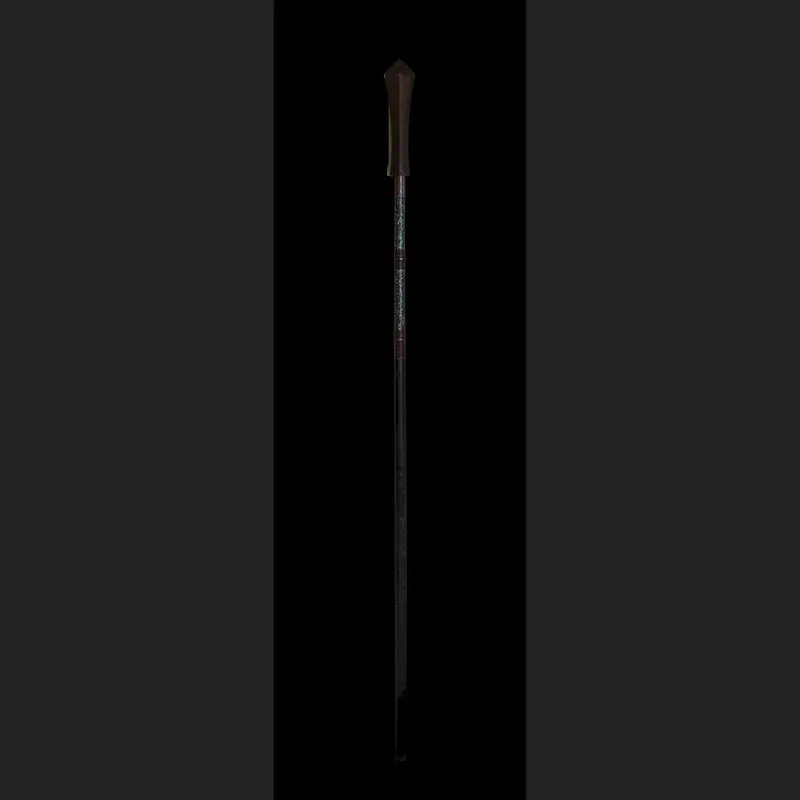
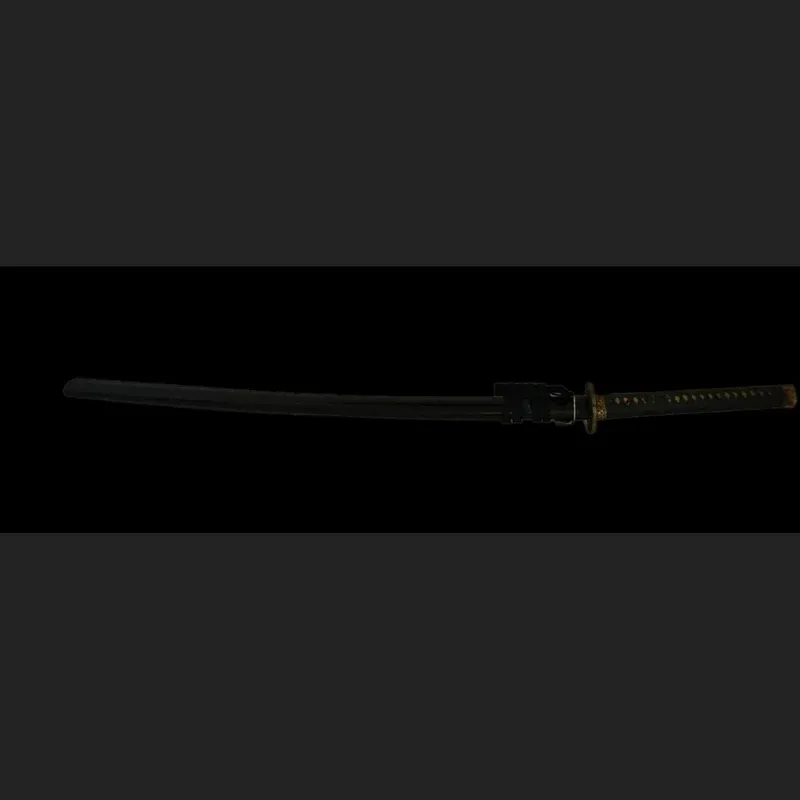
Koa Isshin Mantetsu
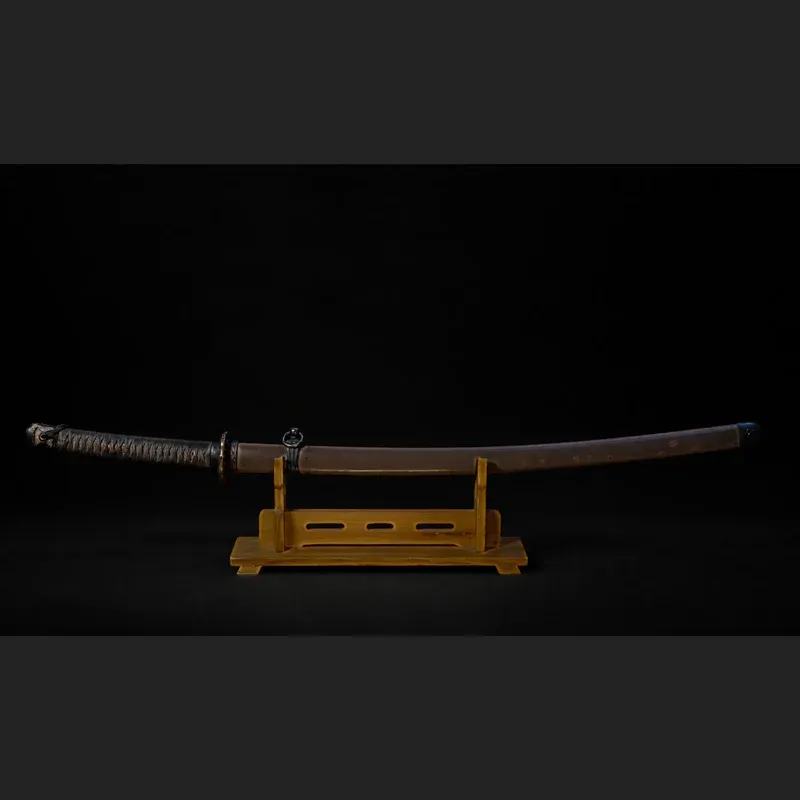
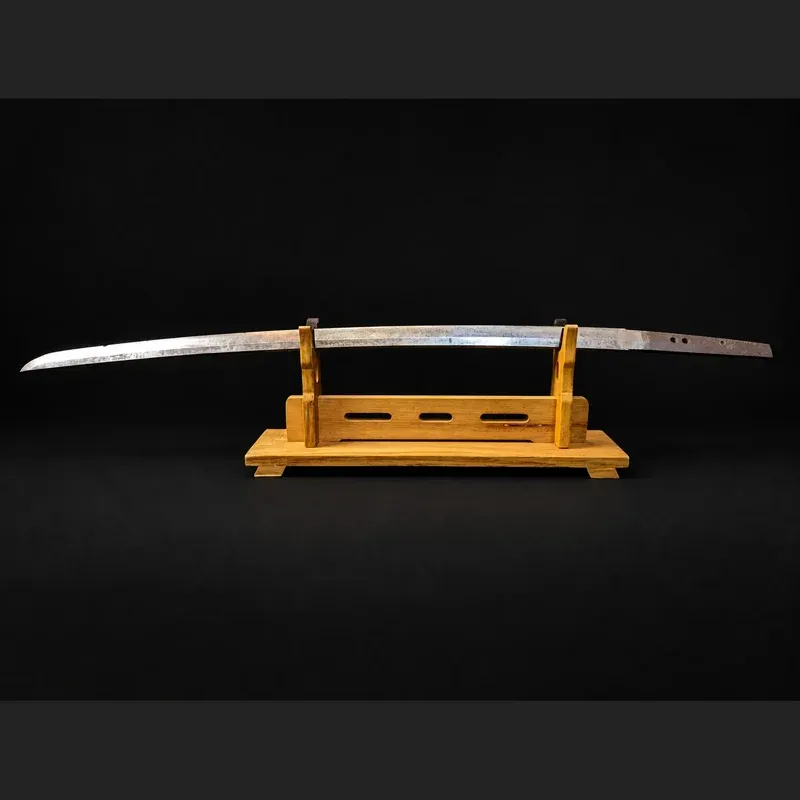
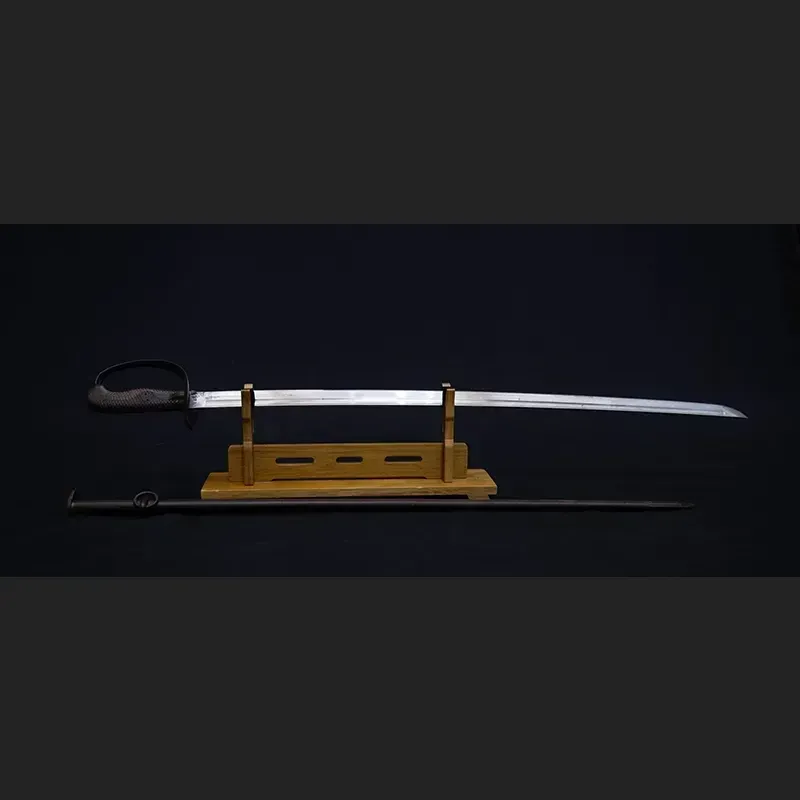
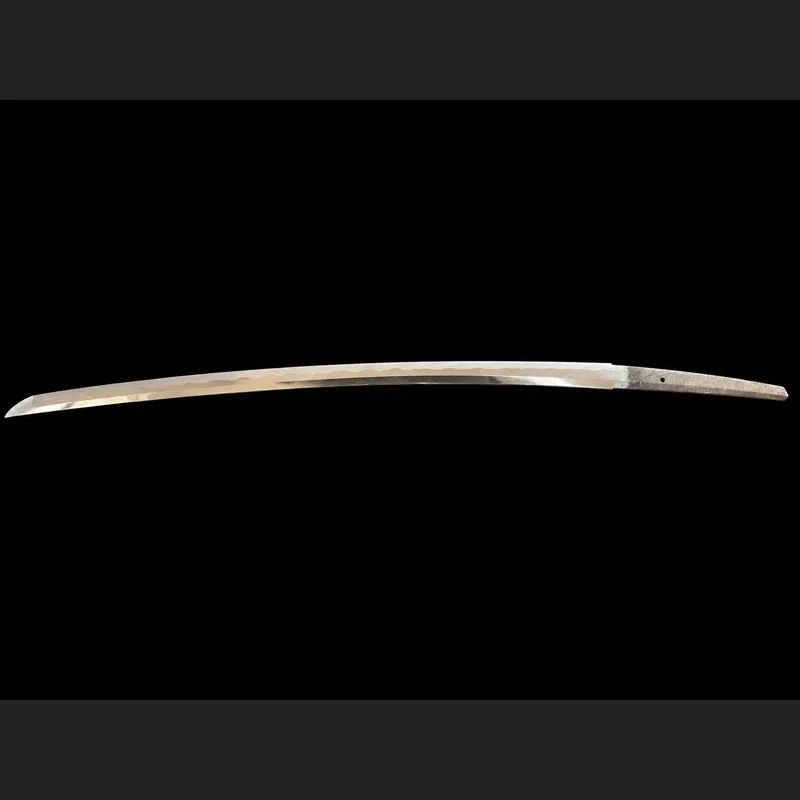
Spring 1943 Koa Isshin Mantetsu (serial HI 624) — among the last of the recorded 1943 Mantetsu blades, with the muji-hada and suguha hamon that define the type.
出品Shop
Spring 1943 Koa Isshin Mantetsu (serial HI 624) — among the last of the recorded 1943 Mantetsu blades, with the muji-hada and suguha hamon that define the type.
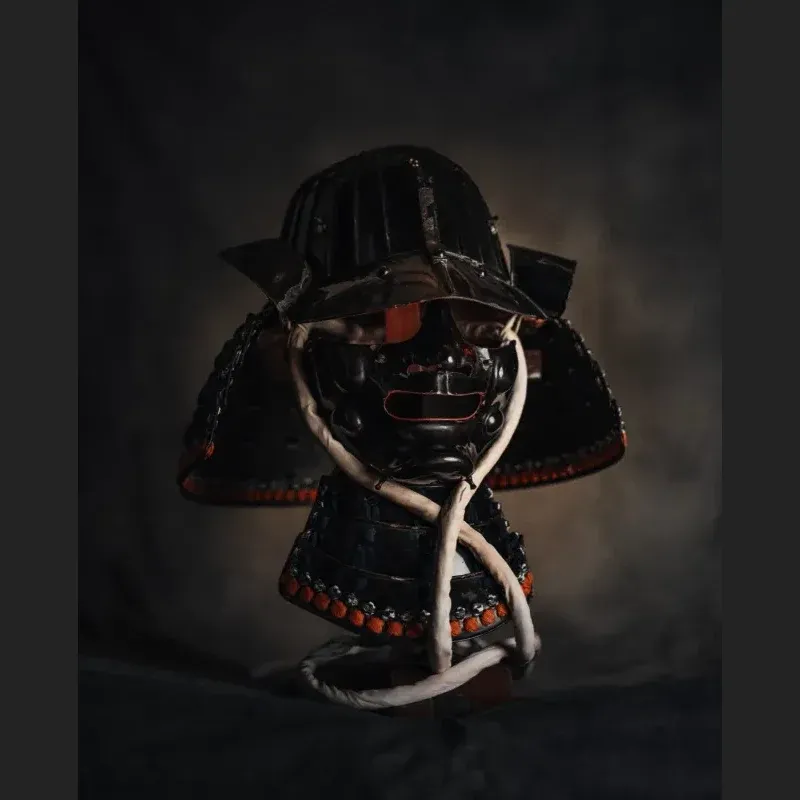
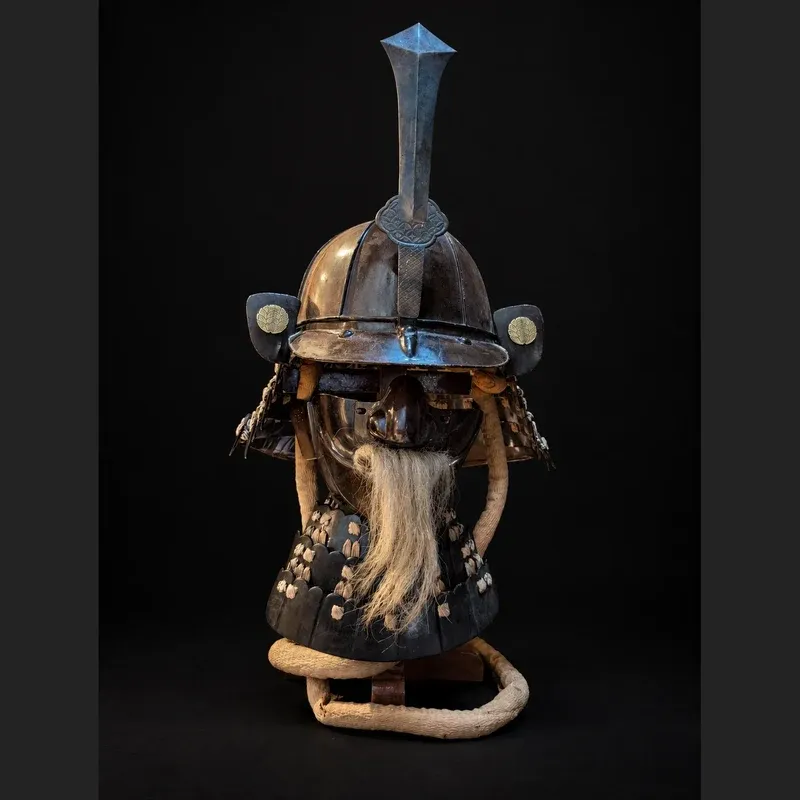
A matched samurai kabuto and menpo in the Tōhoku regional style of the mid-to-late Edo period — a complete head-and-face armour set with the dark lacquer character of the northern provinces.
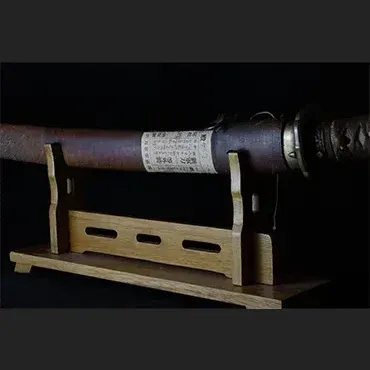
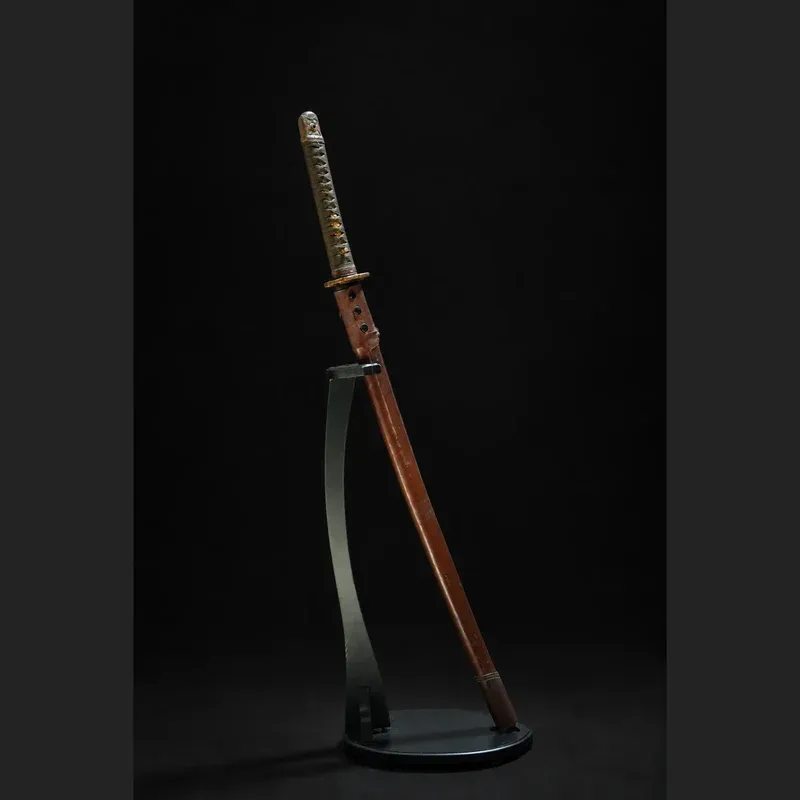
A family-heirloom Shin Guntō with a saya-label attribution to the Higo Dōtanuki line — the Kumamoto school of robust, battle-functional blades favoured by Katō Kiyomasa.
Mumei kotō-period blade with a clean gunome hamon — remounted at least three times across centuries of use, now presented as a bare blade.
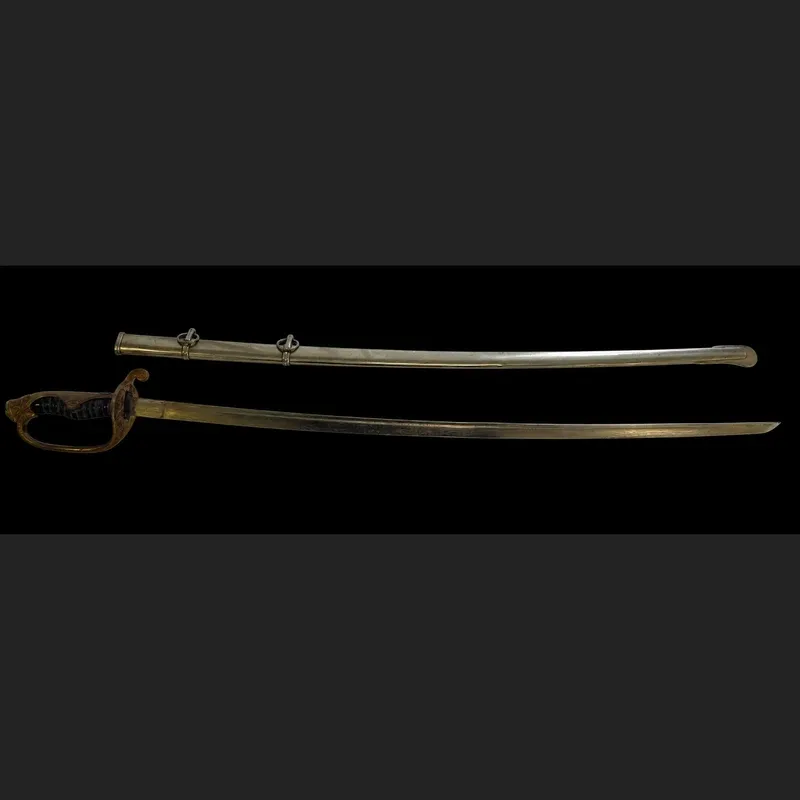
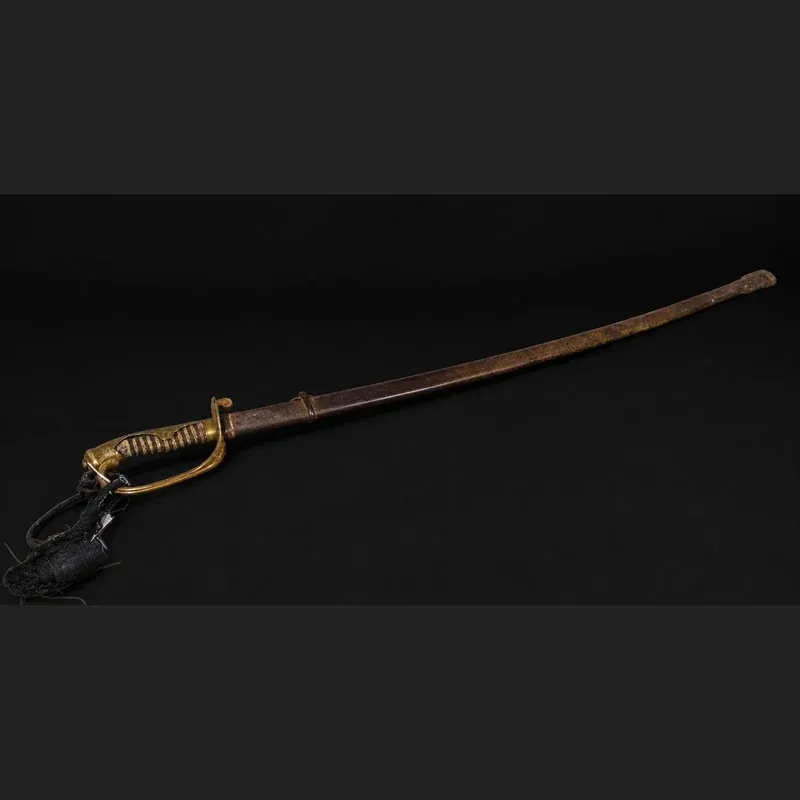
Meiji-era Japanese cavalry sabre (kyū-guntō, serial 66729) — clean, complete pattern with original scabbard and fittings.
Meiji-era Japanese police sabre with its original black sword tassel intact — the tassels are usually the first fitting to be lost.
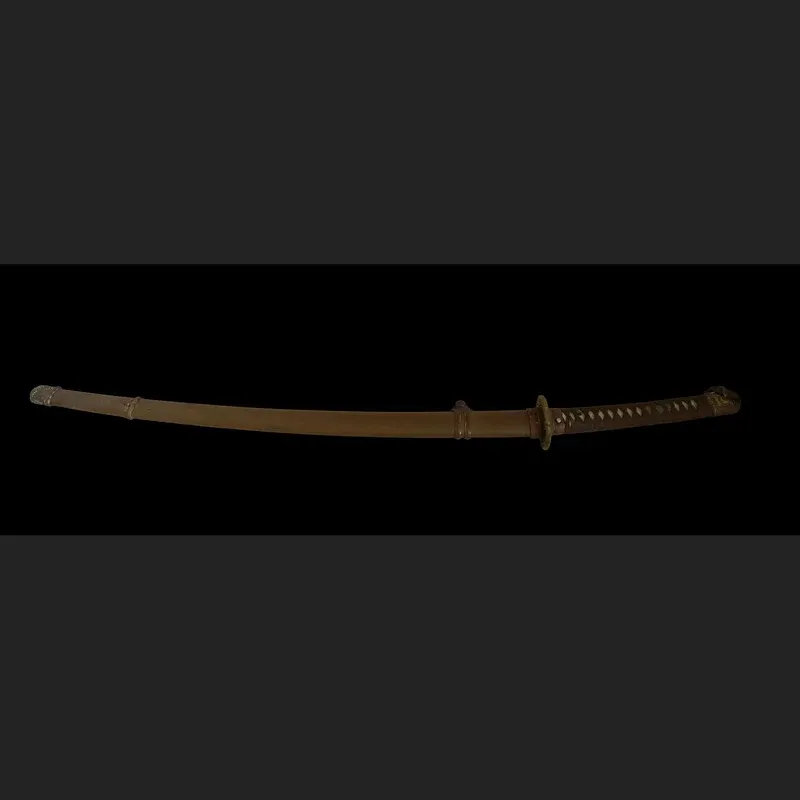
A shin-guntō koshirae with original leather combat cover and wooden saya. Single hanger, two leather seppa (one acting as cover retainer) and one metal seppa, wooden insert in place of the blade. Likely a Gunzoku fitting given the absence of cherry-blossom on the kabutogane.
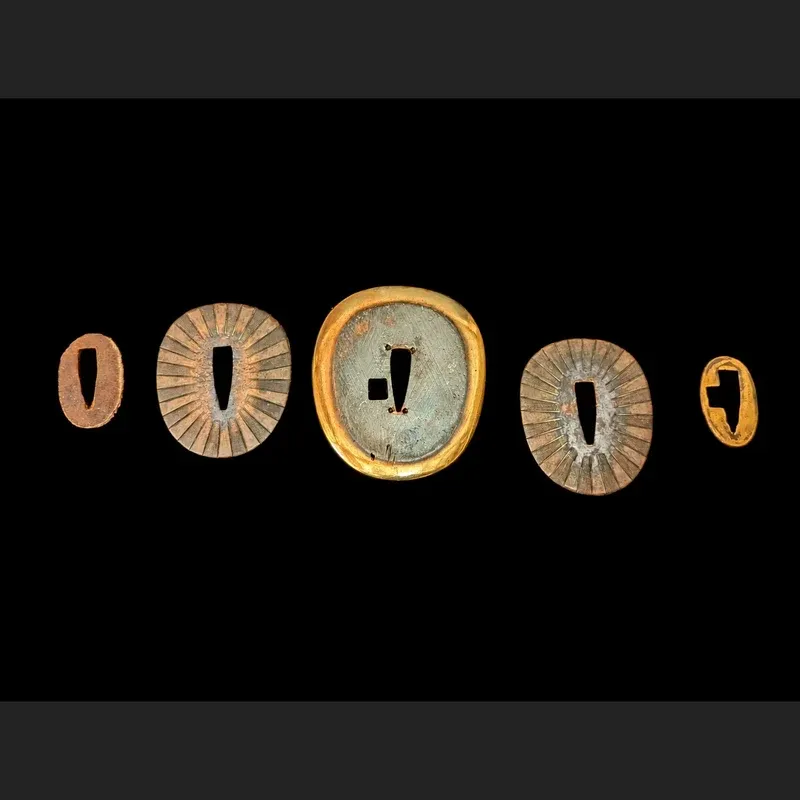
A complete Imperial Japanese Navy kaiguntō tsuba and seppa ensemble: central gilt-rim tsuba, two distinctive rayed sunburst seppa, and two smaller spacer pieces. Original wartime brass with honest patina.
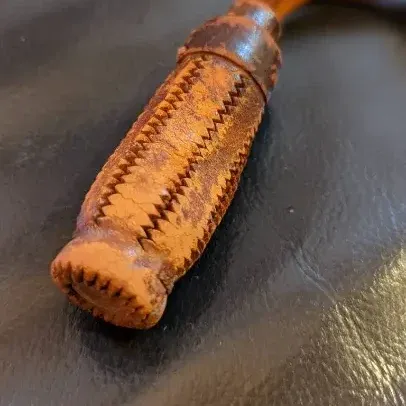
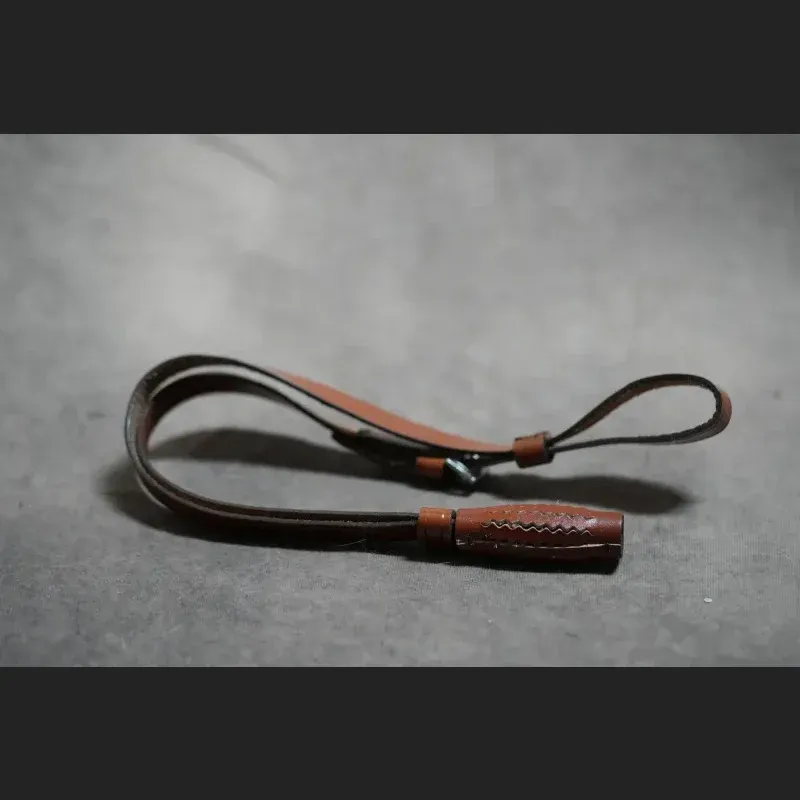
Original brown leather sword knot from a WW2 Japanese NCO sword — intact, with one break in the cord. The leather usually rots beyond repair.