九五式 Military
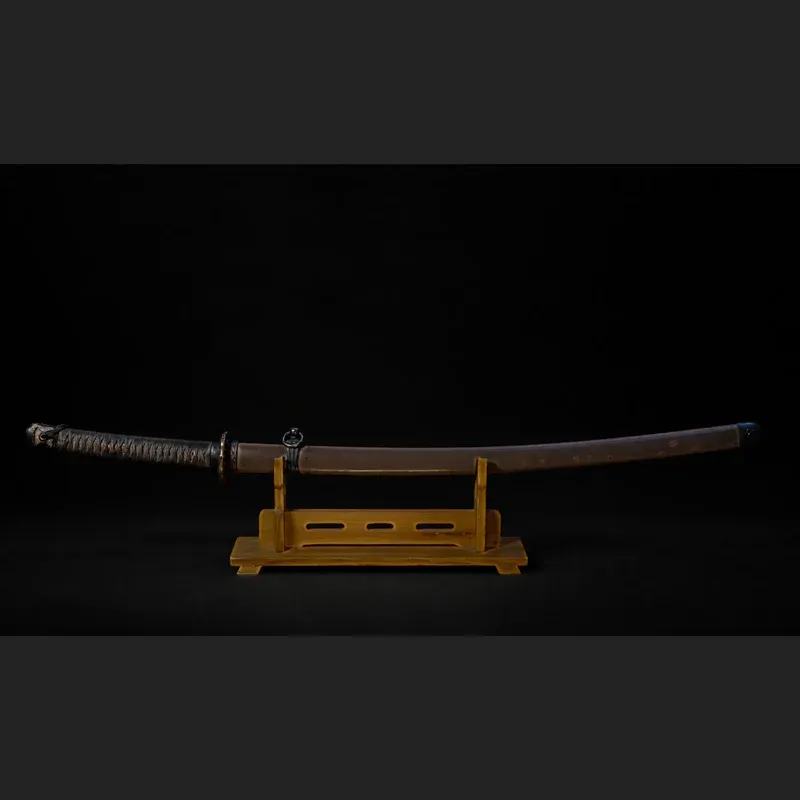
The Type 95 is the sword most first-time collectors meet: standard-issue equipment for non-commissioned officers, made in huge numbers and still the most affordable genuine WW2 Japanese sword. Be clear about one thing from the start. It is machine-made arsenal equipment, not a traditionally-forged nihontō. That is no criticism, simply what the Type 95 is, and it is collected and valued as historical militaria rather than as art. What this page can usefully teach you is what the stamps on a wartime blade actually mean.
History and variants
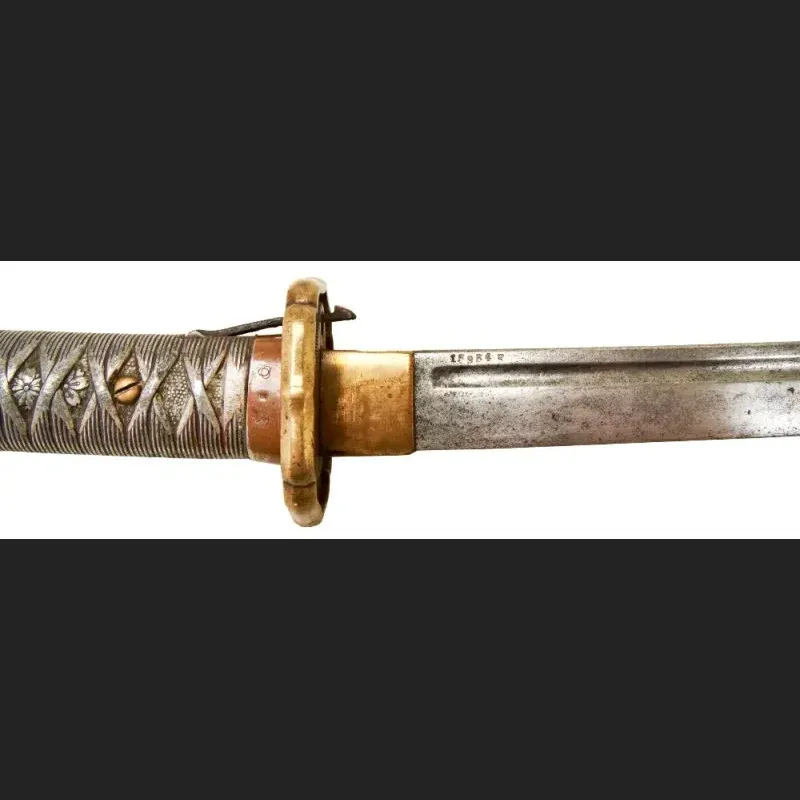
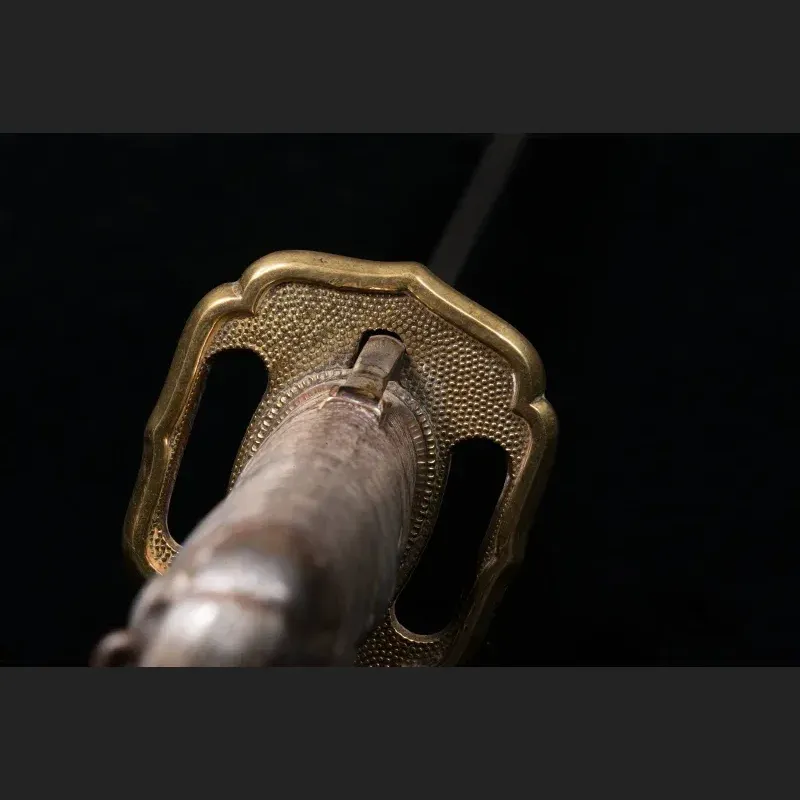
Adopted in 1935, the Type 95 was built to issue an NCO a serviceable sword that looked like an officer’s. The blades are power-forged and oil-quenched, each carrying a single arsenal serial number, fitted to a cast metal handle painted to imitate an ito-wrapped grip. The fittings evolved through the war: an early copper-handle type (1937–38, now scarce and heavily faked); the long-running aluminium-handle type (from 1938); and a simplified late-war wood-and-iron type (1945). Production ran administered chiefly through the Kokura and Nagoya arsenals with various contractors, and total output ran past 300,000 (estimate). When buying, confirm the serial numbers match across blade, scabbard, and guard — married parts and re-handled fakes are common.
What the stamps mean
This is the lesson that protects a buyer, and it applies across all wartime blades:
- A Seki stamp (関) or a Shōwa stamp (昭) marks a non-traditional shōwatō. It closes the door: the blade is not a traditionally-forged nihontō and is not eligible for NBTHK papers.
- A star stamp (★) is the opposite: it marks a RJT blade — traditionally forged from tamahagane and water-quenched — a genuine gendaitō.
- The absence of any stamp proves nothing on its own. It is neutral; the construction must be read from the steel, never inferred from a missing mark.
(Type 95 NCO swords themselves are shōwatō by design — the stamp logic matters most when you move up to officer blades.)
Mounts at a glance
The officer mounts a buyer will meet alongside the Type 95: the navy’s kai-guntō; the Type 94 (1934, two hangers); the Type 98 (1938, single hanger); and the late-war Rinji Seishiki (“Type 3,” from 1943). Civilian-attached personnel (Gunzoku) carried similar mounts without the regulation cherry-blossom motifs.
Why this matters for collectors
For a first sword, a genuine Type 95 (accurately described, numbers matching) is a real piece of history at an accessible price, and far better value than a decorative replica. Buy it for what it is, issue equipment rather than art. If this is where you’re starting, our guide to buying a samurai sword in the UK sets out the price brackets and what to look for; for the fuller picture on wartime blades, see our WW2 Japanese sword buyer’s guide.
Questions before you buy? Get in touch. A second opinion costs nothing.